
This video is hosted by an external service.
How external media uses dataTreams × Yummygum
Client
Treams
Made by
Yummygum
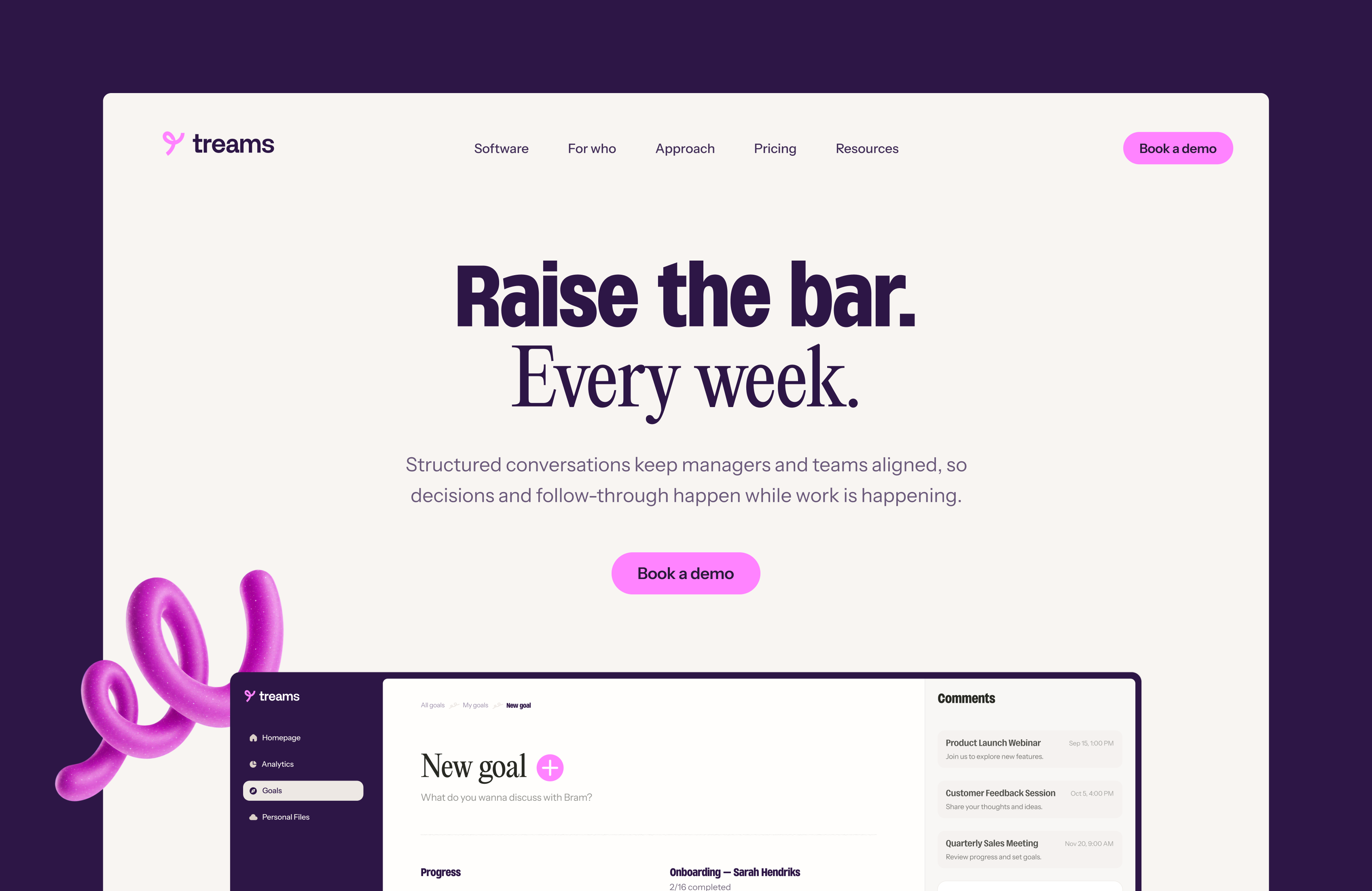
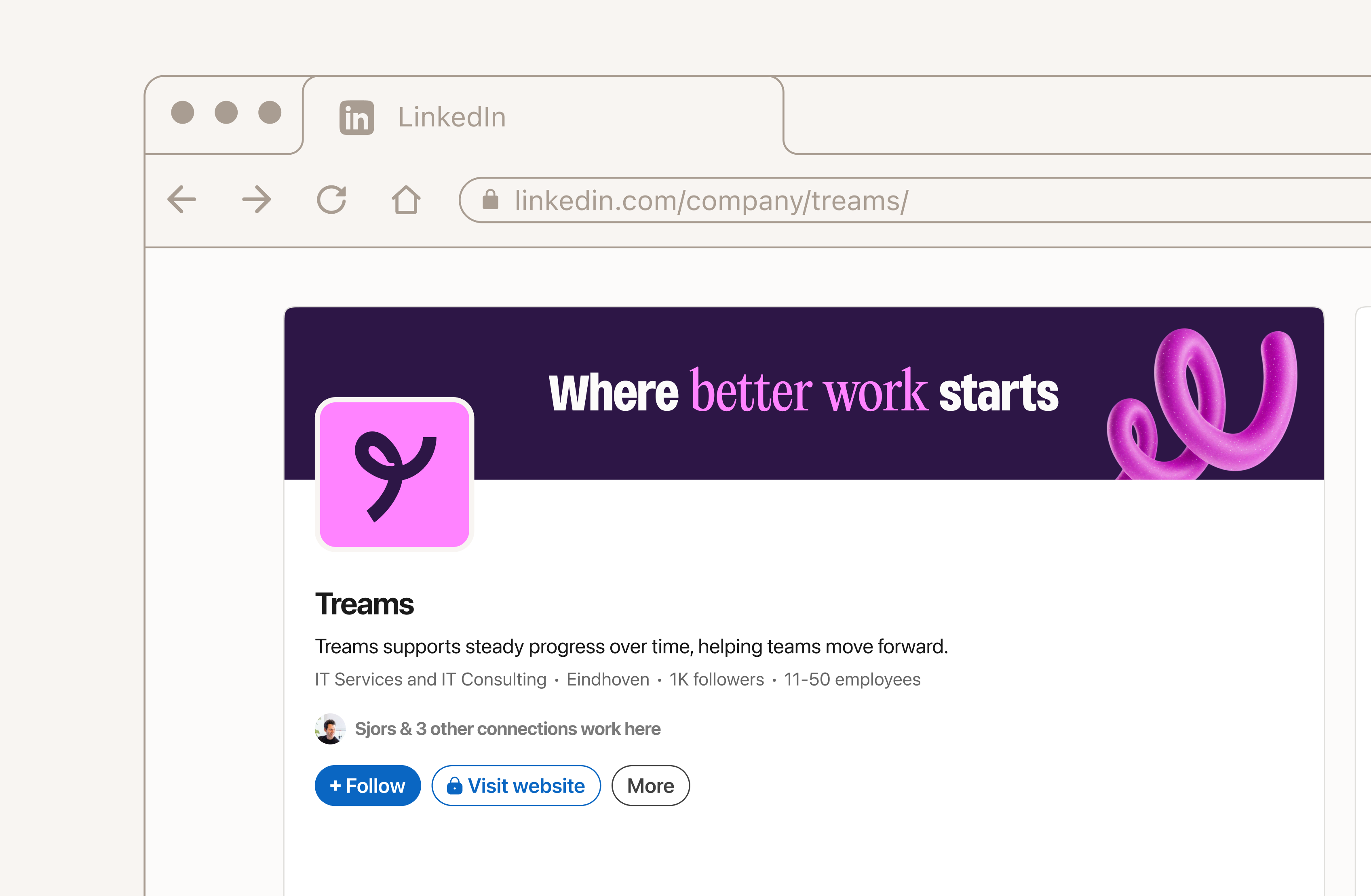
Treams came to Yummygum for a visual refresh. The project began by sharpening the strategy underneath it. In this conversation, the Amsterdam agency shares how positioning, bold first concepts, motion, and a practical asset system shaped the identity.
Who are you and what's your vision/mission in short?
We're Yummygum, a digital product agency based in Amsterdam. We help scaling tech companies bring brand, website, and platform together into one consistent experience, so they look and feel as advanced as the product they've actually built.
What's your history / how long have you been around?
Me and co-founder Vince founded Yummygum in 2009 as a design studio. In the first few years we intentionally grew very slowly and focused mainly on design. Only years after we started adding development and branding to our services. For the past few years we've focused purely on working with scaling tech companies to help them get scale-ready by design. We're a senior-heavy team by design, not a pyramid of juniors managed by a few seniors.
Can you describe the workflow for this project, from client brief to final product?
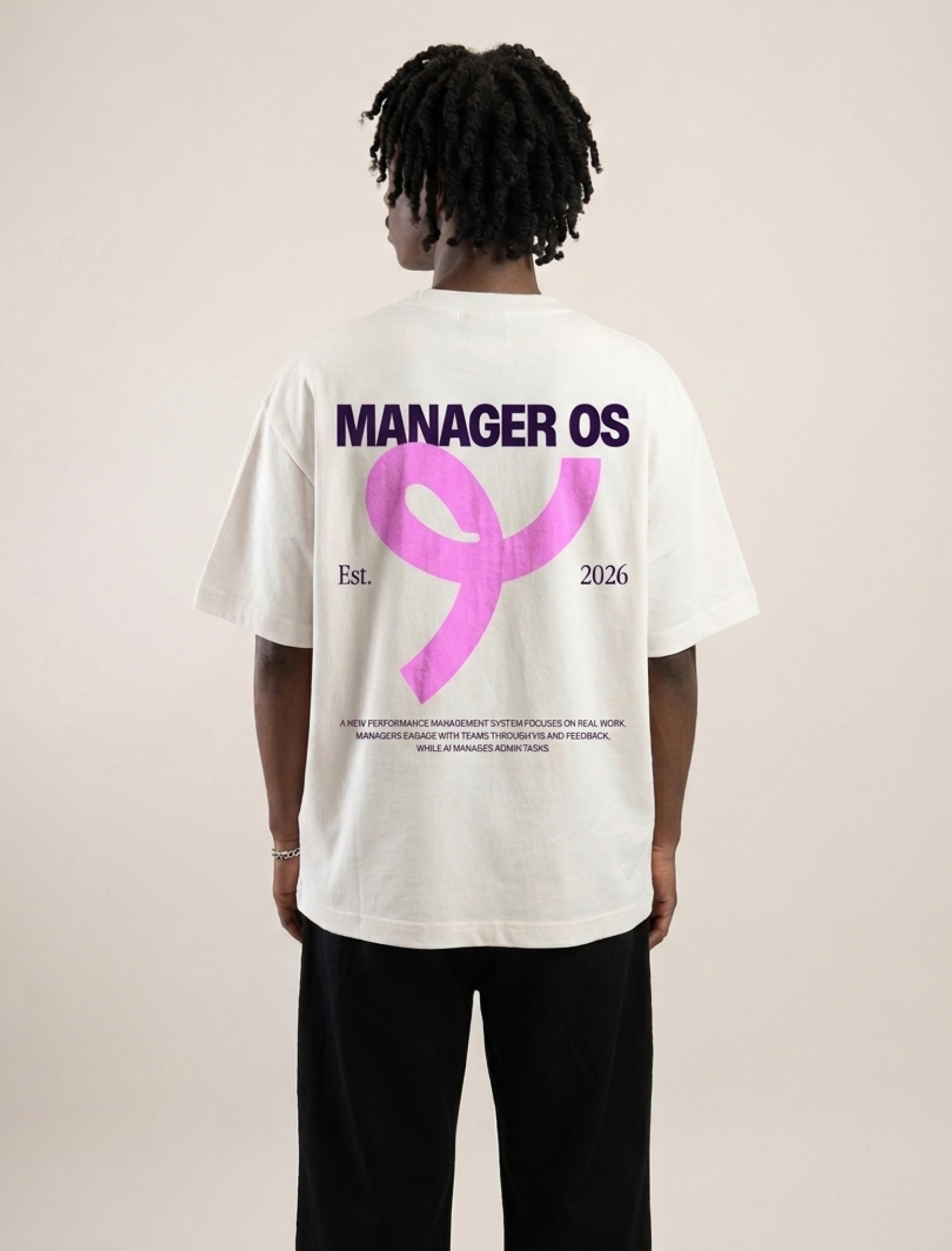
Treams came to us asking for a visual refresh. Their story felt solid to them, they just wanted a new look. A few conversations in, we felt the strategy underneath wasn't as tight as they thought. So we paused the visual work and ran brand strategy sessions with the founding team first: positioning, archetype, the enemy the brand was fighting.
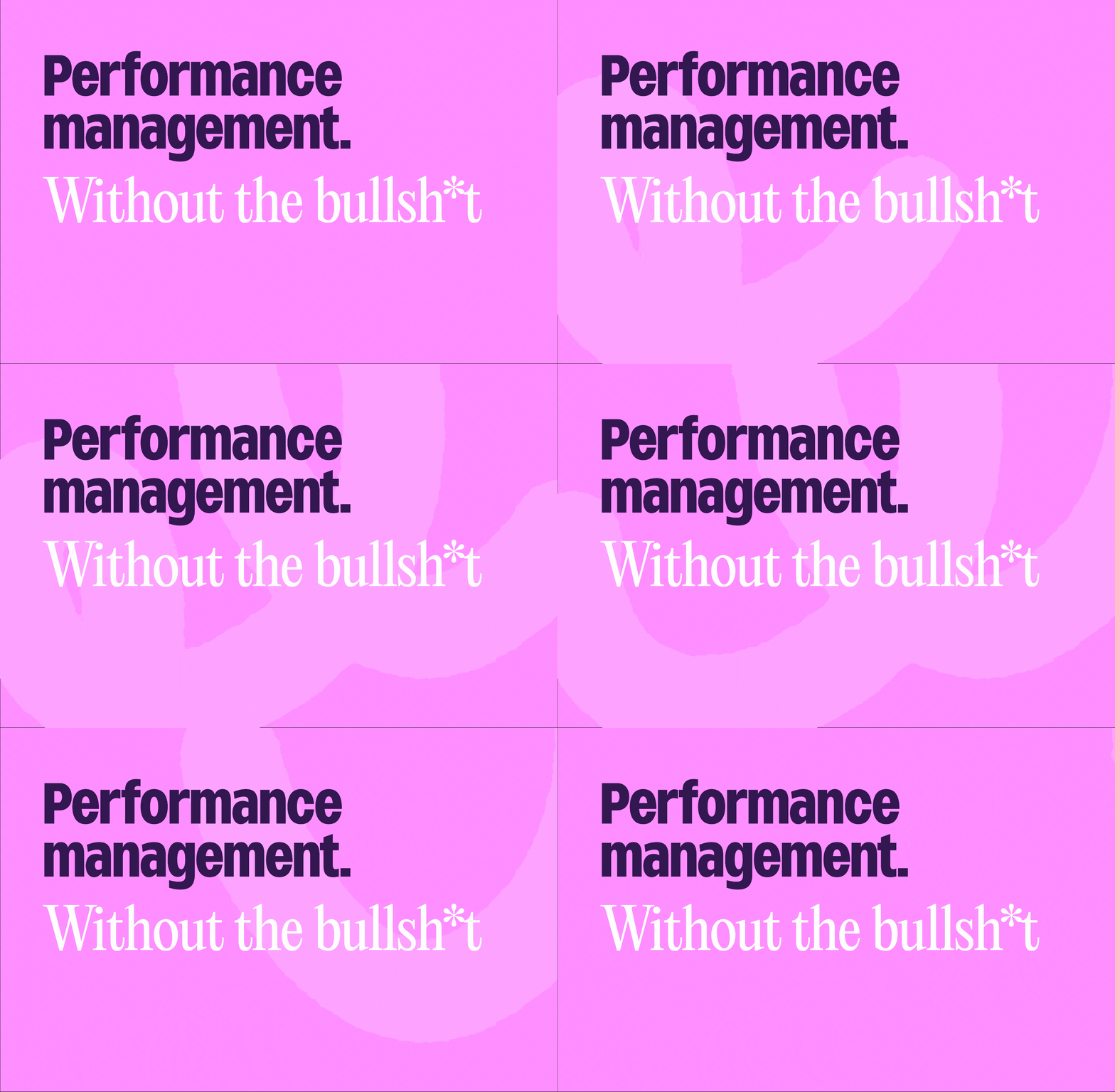
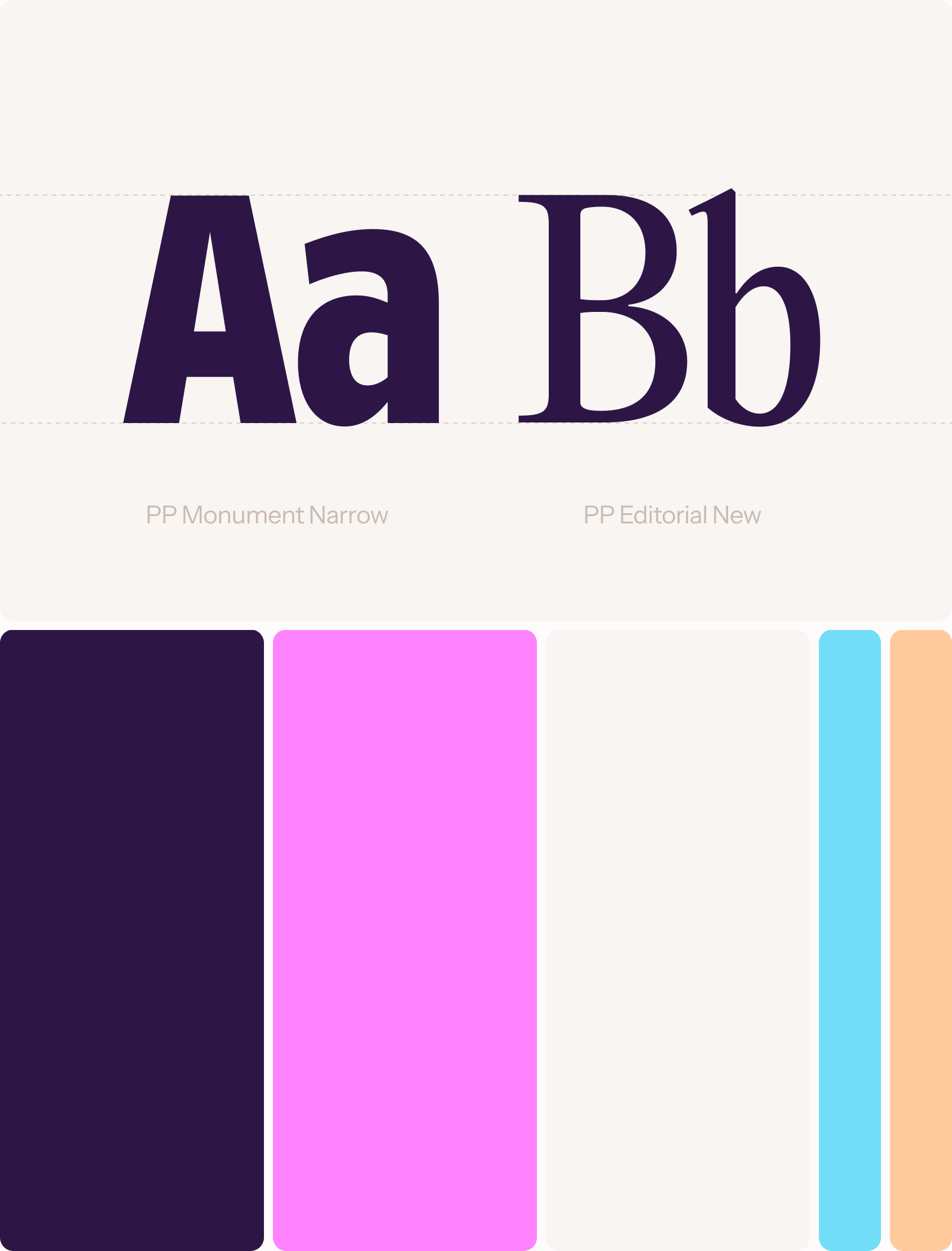
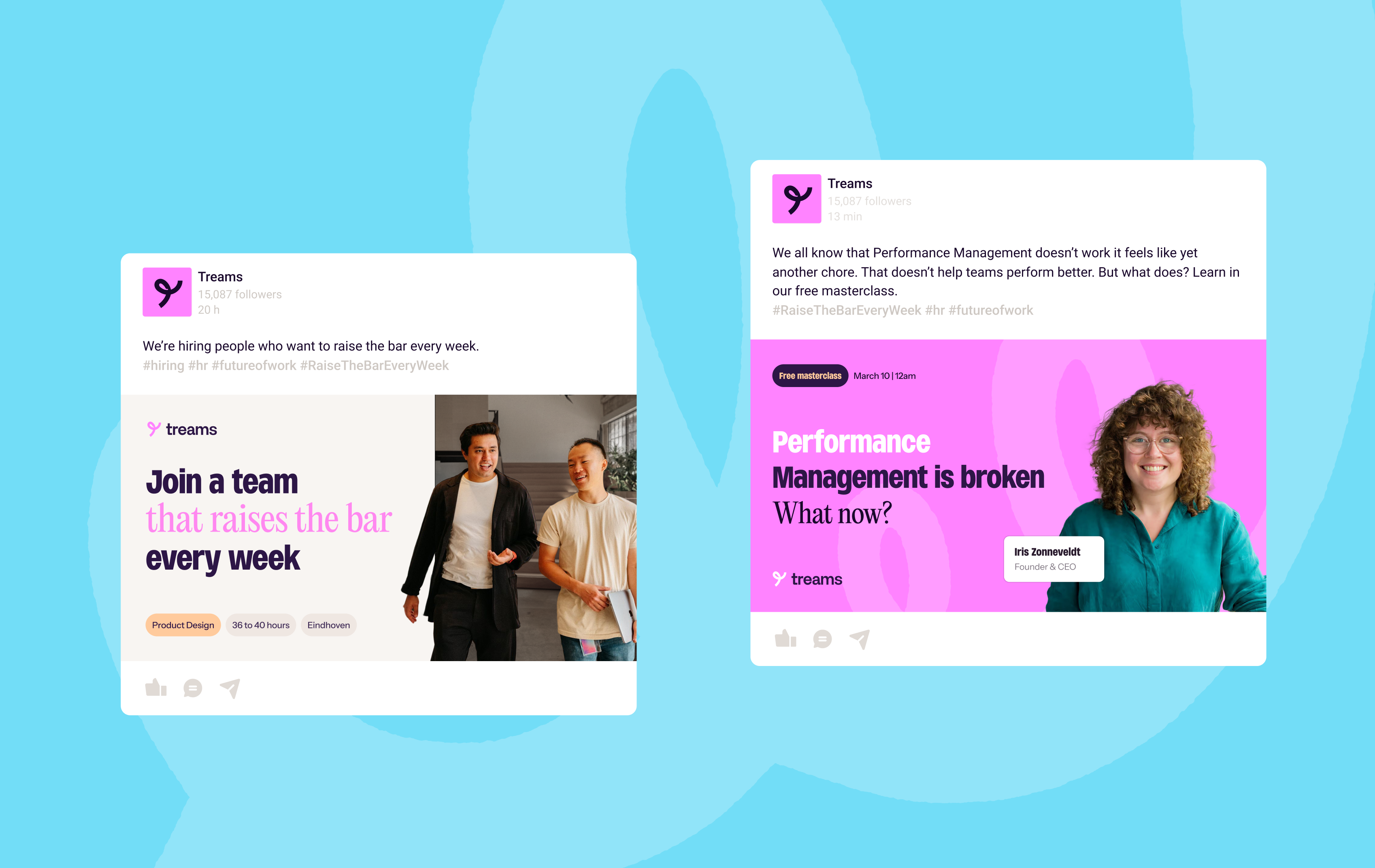
Once that held up, we moved into visual direction. We deliberately pushed the first concepts further than expected, since it's easier to dial back a bold direction than to convince a team to go bolder later. From there we tuned it together until it felt ambitious and unmistakably theirs.
The final phase was a guidelines website and a Figma Weave asset system, so their marketing team could keep producing on-brand work without needing us in the room.
What software was used for this project?
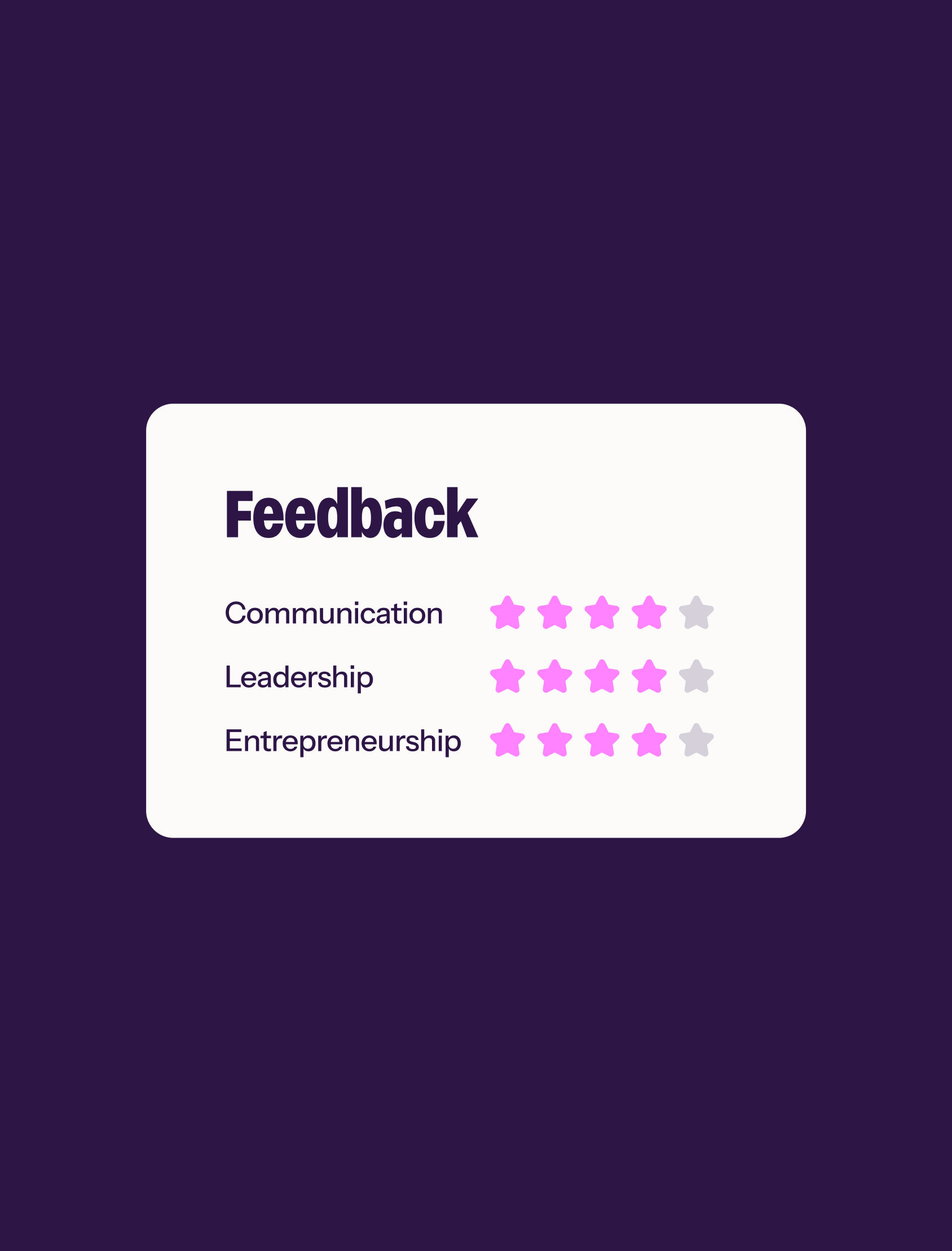
Figma for everything strategy (Figma Slides), design and identity related, Figma Weave for the asset system, and After Effects for motion.
Do you use plugins? If so, which?
Not many, honestly. We keep our plugin list lean, most heavy lifting happens directly in Figma.
Besides the usual Adobe suite and Figma, are there tools you like to use or built yourselves?
Although we often build brand asset and brand pattern generators for our clients, this time around we leaned on Figma Weave. And of course Claude for a lot of back and forth on copy ideas.

What's your take on the combination of design and motion?
As far as branding goes, motion is able to add a sense of emotion that can't be achieved through static imagery. It adds extra flavor to an identity and helps a brand come to life. We try to incorporate motion early, in the concepting phase, as it helps show a brand direction's true colors to clients.
And for product design, motion does real work for usability: it shows state changes, guides attention, and makes an interface feel responsive instead of static.

What advice would you give upcoming designers?
Try a lot of things, diverging is so important. As a Creative Director, I'd rather have a designer trying 10 different versions of a design, of which one helps everything click, than 1 iteration that is a first guess/bet. Also, never underestimate the power of framing the story you tell when you present a design. A good story helps do the heavy lifting.

Anything else you'd like to share with the DOA community?
We have a fresh job opening for a senior product designer that has a strong affinity with branding to come work with us (hybrid: WFH & Amsterdam office). If this feels like something up your alley, check out the vacancy and don't hesitate to apply!
View the Senior Digital Designer vacancy at Yummygum
#Treams #Yummygum #BrandIdentity #MotionDesign #designonacid